A brand can make a promise, but it’s the product experience that determines whether that promise holds true.
Traditionally, branding often comes after a product has been developed. A business creates something, identifies its market, and then builds a brand to communicate its value. While this approach can work, it can also create a disconnect between what a brand communicates and what customers actually experience.
A product-led approach considers both from the beginning, bringing brand strategy and product thinking together to create a more cohesive experience. Rather than focusing solely on how a product is presented, it considers how people discover, interact with, and ultimately find value in what a business offers.
When Brand and Product Work Together
Branding is more than a visual identity or a compelling message. It’s the impression people form through every interaction with a business, from the first time they encounter a product to the experience of using it.
When brand and product decisions inform one another, businesses can create experiences that feel consistent and intentional. Brand strategy helps define who a product serves and what makes it valuable, while product design brings that promise to life through functionality, materials, and user experience.
When C&N Footlockers, a Wisconsin trunk manufacturer with nearly 40 years of experience, saw an opportunity to enter a new market, we worked together to explore where their craftsmanship could offer the most value. Through market research and product-market fit considerations, we identified the keepsake category as a compelling opportunity to give their existing capabilities a new purpose.
Together, we developed Momento, a keepsake brand built around life’s meaningful milestones. That positioning influenced everything from the trunks themselves, with refined hardware, padded interiors, and customizable fabrics, to the visual identity and Shopify experience designed around personalization and gifting.
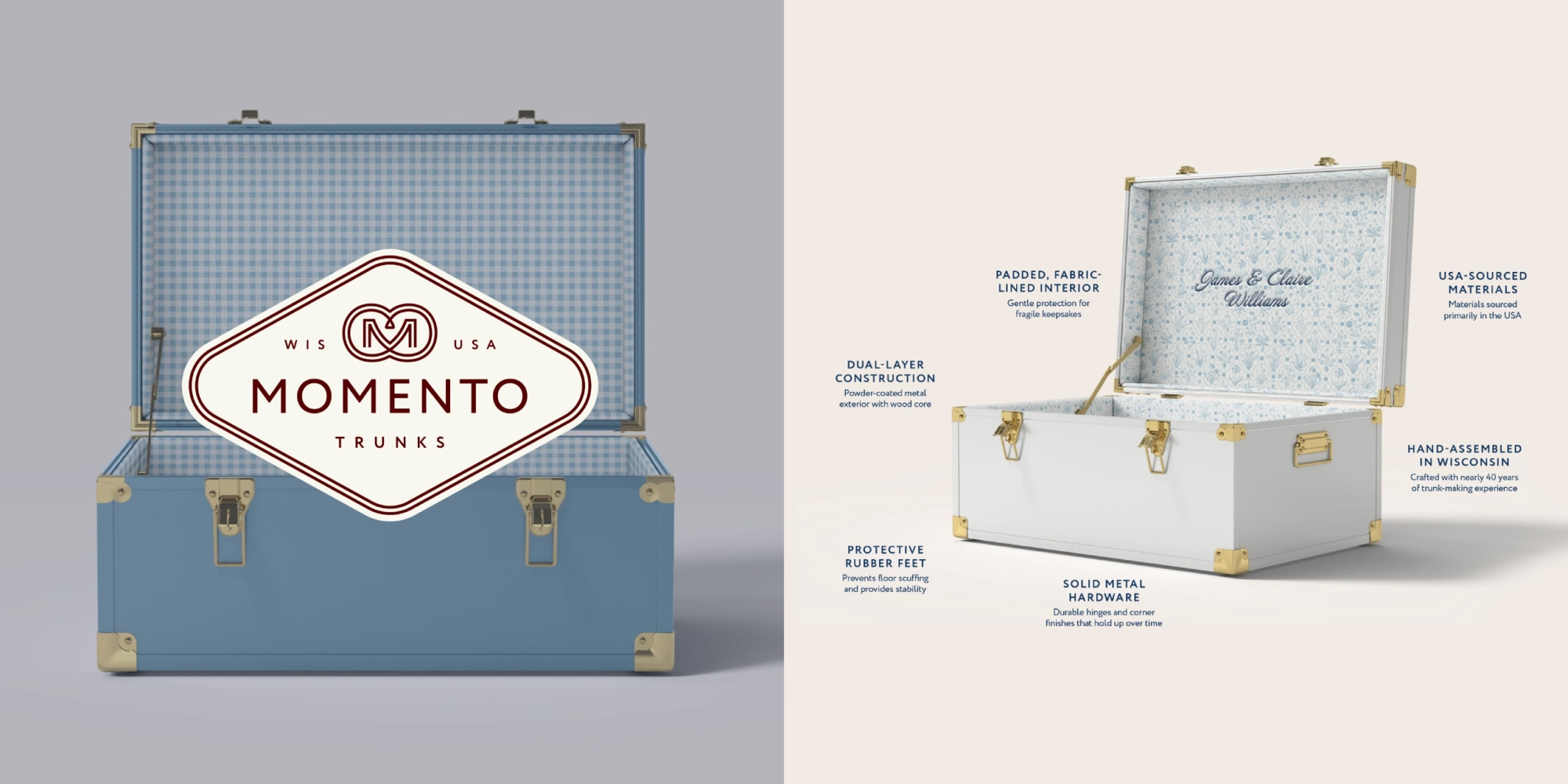
By developing the brand and product together, Momento’s promise of preserving memories became more than a message. It shaped the physical product and the experience of making it your own.
Building a Brand Around an Existing Product
Of course, not every business has the opportunity to develop its brand and product simultaneously. Many companies already have established products or services that deliver real value, but their branding doesn’t always communicate that value effectively.
Product thinking is just as important in these situations. By understanding how a product works, who it serves, and what customers value about it, businesses can build a brand that better reflects the experience they’re offering.
NoBookkeeping came to Forma with a functioning platform that helped small business owners manage their finances, but its value wasn’t coming through clearly. The challenge wasn’t to reinvent the software; it was to better understand who it served and make its benefits easier to recognize.
Through research and discovery, we identified an audience of freelancers, sole proprietors, and small business owners who needed a simple way to organize their finances for tax season. That insight shaped a more approachable brand identity, clearer website messaging, and a more focused app experience. Rather than presenting users with an open-ended budgeting tool, we designed a guided process that walks them through organizing their finances and exporting the report they need.
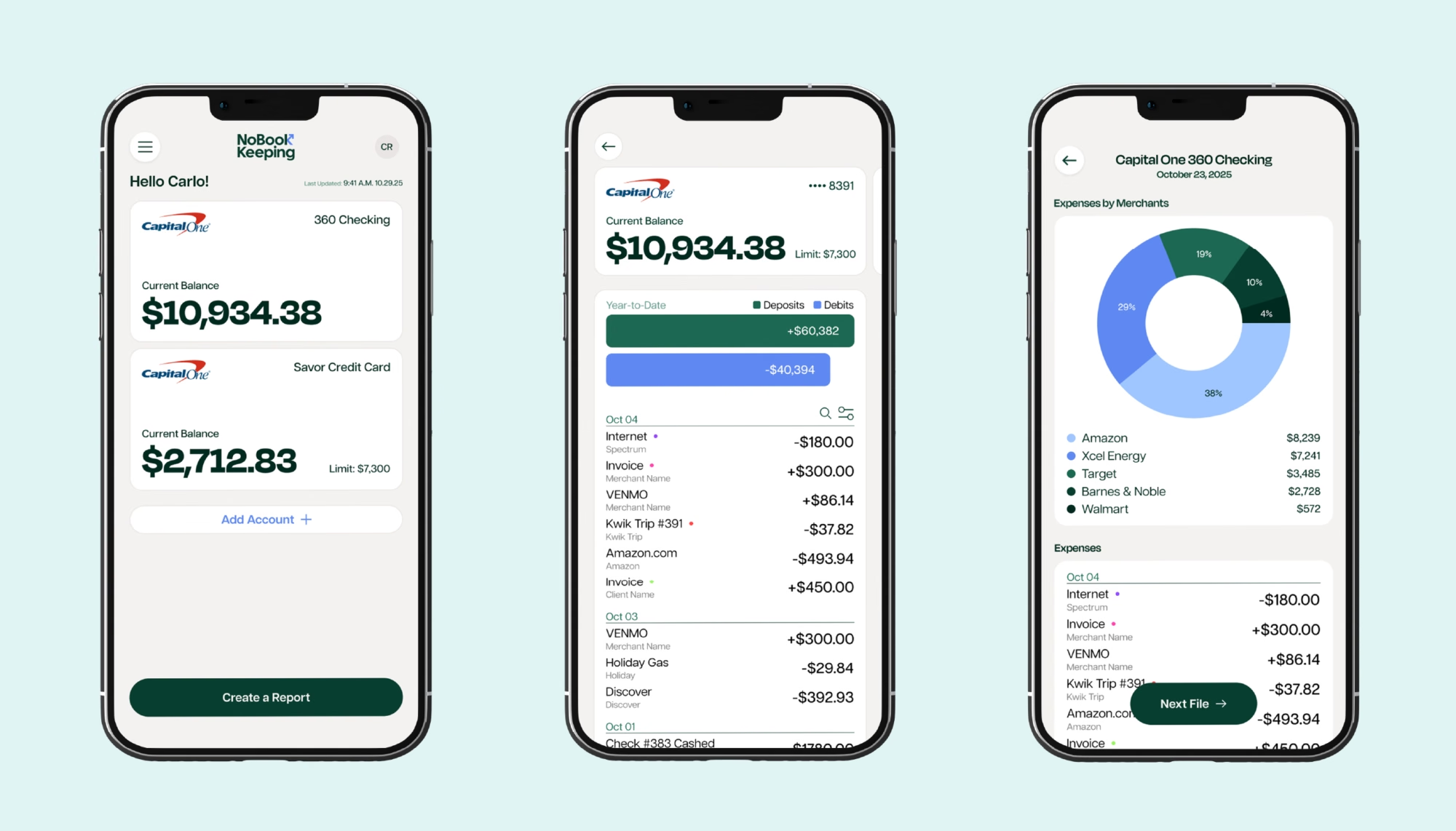
The result was a more cohesive experience, where the brand’s promise of simplicity wasn’t just communicated through its identity and messaging, but reinforced by how the product actually worked.
Connecting the Promise to the Experience
When brand and product are treated as separate disciplines, the disconnect can become apparent to customers. A brand might communicate simplicity, quality, or convenience, but those promises only carry weight when the experience supports them.
That’s why product-led branding looks beyond first impressions. It considers the entire customer journey, connecting what a business says with what people experience firsthand.
At Forma, we believe the strongest brands are built through this connection. Whether developing something new or refining an established product, bringing brand strategy and product thinking together creates more thoughtful, practical solutions. Because ultimately, a brand’s promise is only as strong as the value it delivers.
Because ultimately, a brand’s promise is only as strong as the value it delivers.